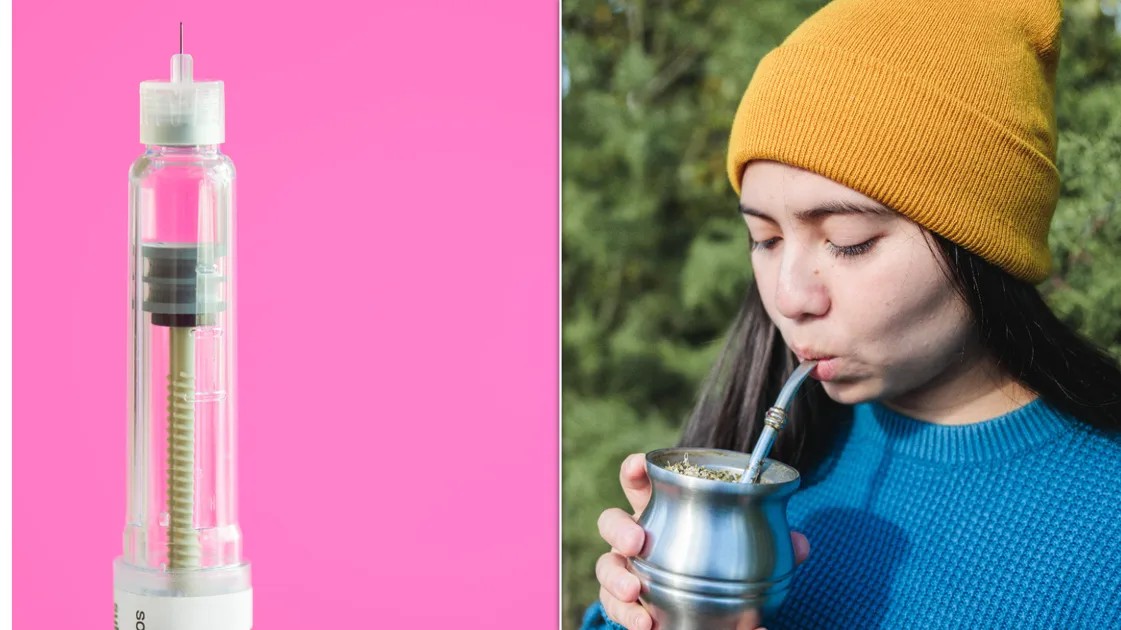
Social media is currently flooded with claims from influencers suggesting that you can achieve the weight-loss results of blockbuster drugs like Ozempic or Wegovy through specific “miracle” foods. Ingredients such as lemon extract, yerba mate, hemp seeds, and cinnamon are frequently touted as natural substitutes for GLP-1 medications.
While there is a grain of scientific truth behind these claims, medical experts warn that the reality is far more nuanced. The trend of “natural GLP-1 mimics” is often a significant oversimplification of how human biology actually works.
The Science: Natural vs. Synthetic GLP-1
To understand why these claims are misleading, it is essential to understand what GLP-1 actually is. Glucagon-like peptide-1 (GLP-1) is a hormone naturally produced in your small intestine in response to eating—specifically when you consume proteins, fats, and certain carbohydrates. Its job is to slow down digestion and signal to your brain that you are full.
The fundamental difference between food and medication lies in duration and potency :
- Natural GLP-1: Triggered by food, the hormone spike is temporary and often disappears within minutes.
- GLP-1 Medications: These are engineered to stay active in the body for days or even weeks, providing a sustained suppression of appetite and stable blood sugar levels.
“GLP-1 medications work differently because they are engineered to stay active much longer, which is why they have a much more powerful and sustained effect,” explains Dr. David Ahn, an endocrinologist at Hoag.
How to Optimize Fullness Through Nutrition
While no food can replace an injection, you can use nutrition to replicate some of these effects on a much smaller, more gradual scale. The goal is to maximize the natural release of hormones through strategic food combinations.
Medical experts suggest focusing on the “trio of satiety”: protein, fiber, and healthy fats.
1. Prioritize Protein and Fiber
Protein is vital because it slows the rate of digestion. High-fiber foods add volume to your stomach without adding excessive calories, further delaying the feeling of hunger.
* Recommended Proteins: Eggs, fish, chicken, tofu, Greek yogurt, and cottage cheese.
* Recommended Fibers: Beans, lentils, vegetables, oats, and chia seeds.
2. Incorporate Healthy Fats and Fermented Foods
Healthy fats promote satiety, though they should be consumed in moderation due to their calorie density. Additionally, gut health plays a role in how your brain perceives fullness.
* Healthy Fats: Nuts, olive oil, and avocado.
* Gut Support: Fermented foods like kimchi, miso, kefir, and yogurt support a diverse microbiome, which improves the signaling between your gut and your brain.
3. Utilize “Bitter” Stimulants
Certain foods can stimulate metabolic pathways and gut sensors. Dr. Mansi Sarvaiya notes that polyphenol-rich or bitter foods —such as dark chocolate, green tea, coffee, and leafy greens—can help enhance the sensation of fullness.
Addressing “Food Noise”
One of the most significant benefits reported by GLP-1 users is the reduction of “food noise” —the persistent, intrusive thoughts about eating.
While a balanced diet can help stabilize blood sugar and reduce intense hunger rebounds, experts agree that dietary changes rarely eliminate food noise entirely the way medication does. Food noise is often driven by complex factors including:
* Brain reward pathways and dopamine.
* Chronic stress and sleep deprivation.
* Hormonal imbalances (such as ghrelin and leptin).
To help manage these cravings, doctors suggest drinking water before meals (as thirst is often mistaken for hunger) and practicing mindful eating—slowing down and chewing thoroughly to give your hormones time to respond.
The Bottom Line
If you are considering weight loss interventions, medical professionals suggest a structured approach. Rather than relying on “miracle” ingredients, consider a three-month trial of rigorous dietary changes. This period can provide valuable data on your body’s response, helping you and your doctor decide if medical assistance like GLP-1 medication is a necessary next step.
Conclusion: While certain foods can naturally stimulate GLP-1 and improve satiety, they lack the sustained potency of medical treatments. A balanced diet of protein, fiber, and healthy fats is a powerful tool for weight management, but it functions on a much different scale than pharmaceutical intervention.