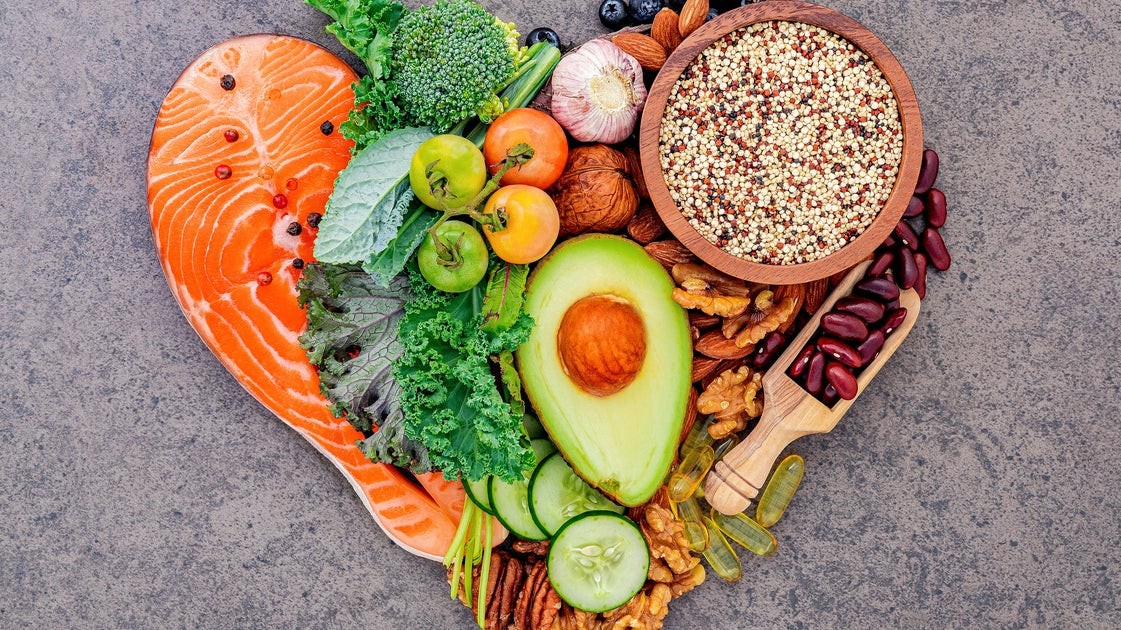
Cardiologists consistently emphasize the importance of a heart-healthy diet, and when asked for their single best food recommendation, they tend toward options that are accessible, easy to prepare, and demonstrably effective. While no single “superfood” replaces a balanced lifestyle, several foods stand out for their proven cardiovascular benefits. Here’s what leading heart specialists suggest adding to your next shopping list:
Nuts: A Powerhouse for Heart Health
The American Heart Association advocates for regular consumption of unsalted nuts and seeds – roughly four to six servings weekly. Nuts lower “bad” cholesterol, reduce inflammation, and lower the risk of cardiovascular diseases. Cardiologist Dr. Monika Sanghavi champions almonds, citing their ability to improve both good and bad cholesterol levels, enhance blood vessel function, and even stabilize blood sugar in those with prediabetes. Meanwhile, Dr. Simona Campa-Cochrane highlights walnuts, rich in unsaturated fats and bioactive compounds, as a particularly evidence-backed choice.
Why this matters: Cardiovascular disease remains the leading cause of death globally. Simple dietary adjustments, like incorporating nuts, can significantly reduce risk factors without drastic lifestyle changes.
Berries: Nature’s Vascular Boost
Berries – whether fresh or frozen – are another top pick for heart health. Dr. Romit Bhattacharya stresses their high fiber, phytonutrients, and antioxidants, which slow vascular aging and improve blood flow. He recommends consuming berries daily, much like a prescribed medication. Dr. Campa-Cochrane adds that berries offer a naturally sweet alternative to refined sugars, supporting both vascular function and overall cardiometabolic health.
Why this matters: Oxidative stress and inflammation are central to heart disease development. Berries combat these processes with potent antioxidant compounds.
High-Fiber Foods: The Cholesterol Regulator
Increasing fiber intake is a straightforward way to improve heart health. Cardiologist Dr. Olufolahan Carrena notes that diets rich in fiber can lower LDL (“bad”) cholesterol by 5–10% – a substantial benefit when combined with other interventions. Aim for up to 28 grams of fiber daily by adding fruits to breakfast, salads to lunch, or beans and lentils to dinner. Gradual increases and adequate hydration are crucial to avoid digestive discomfort.
Why this matters: High cholesterol is a modifiable risk factor for heart disease. Fiber helps bind cholesterol in the digestive system, reducing its absorption into the bloodstream.
Dark Leafy Greens: Essential Vitamins and Minerals
Dark leafy greens like spinach, kale, and arugula provide fiber and antioxidants that lower cholesterol and improve blood flow. Dr. Anum Saeed suggests incorporating them into meals as salads, sautéed sides, or even blended into smoothies.
Why this matters: Greens offer a concentrated dose of nutrients vital for vascular health, often overlooked in modern diets.
Salmon: The Omega-3 Advantage
Salmon is rich in DHA and EPA, beneficial omega-3 fatty acids that fight inflammation and improve cholesterol profiles. Dr. Saeed emphasizes the importance of sourcing responsibly to minimize mercury exposure.
Why this matters: Omega-3s are essential for heart health, but sourcing matters: farmed vs. wild-caught, and contaminant levels need consideration.
The Bigger Picture: Lifestyle Matters Most
While these foods offer significant benefits, they’re most effective as part of an overall healthy lifestyle. Dr. Campa-Cochrane advocates for a Mediterranean-style diet, combining these foods with regular physical activity, sufficient sleep, and stress management. No single food will replace a holistic approach to prevention.
Ultimately, these recommendations underscore that simple dietary changes, backed by scientific evidence, can dramatically improve heart health. But, as Dr. Saeed notes, personalized advice from your healthcare provider is crucial for optimizing your individual risk factors.