It starts from the temple. Next is the crown. Male pattern baldness causes the hairline to recede and unfilled patches to appear unnoticed. It’s hereditary, long-term, and for many men, it’s inevitable. If you have DNA, the end result is usually just hair on the sides and back. What is the only real solution at an advanced level? Hair transplant.
But here’s the thing. Not all hair loss is permanent.
Not all shedding hair is doomed. If your hair loss is caused by stress, poor diet or environmental factors, you can stop it. You just need to catch it in time. Most men notice the first signs in their 20s. They ignore it. The rate is low. Looks normal. By the time they pay attention, the damage has already been done. The question isn’t just whether you can stop it. The question is whether there is a willingness to act before the recession recedes.
***Here’s how to counterattack: ***
1. Nourishes hair follicles
You are what you eat. This Cliché exists because it is true. Hair follicles are the most metabolically active cells in the body. They need fuel. If you’re starving them, they shut down.
Pay attention to protein. Hair is made up of keratin (a type of protein). With a low intake, the body prioritizes the important organs over the scalp. Skip the protein, skip the hair.
Eat more iron-rich foods. Spinach, lentils and lean meat. Iron deficiency is a silent killer of hair density.
Don’t forget zinc and biotin. Oysters, nuts and eggs. These nutrients support the hair growth cycle. You don’t need a supplement bottle the size of your fist. You need a plate.
“Your hair reflects the health of your internal organs. If you starve your body, your hair will pay the price.”
Don’t wait until you look in the mirror and realize your hair is falling out. Start eating like you want to keep it.
It is necessary to quit smoking to improve blood circulation to the roots of the hair. Nicotine constricts the vessels, which interrupts the oxygen and nutrients that need to reach the hair roots. The toxins in the smoke directly weaken the hair follicles. With such a serious threat, quitting is the most logical move.
3. Increase Water Consumption
Water is the most natural way to remove toxins from the body. Insufficient water consumption causes hair to become dry and brittle. Drinking at least 2 liters of water a day preserves the vitality of the hair and increases the shine of the skin. A dry hair structure accelerates breakage. Although drinking water seems like a simple habit, it has a great impact.
4. Manage Stress
Stress is one of the biggest causes of hair loss. Chronic stress puts the body into “fight or flight” mode. This disrupts the hair growth cycle and can lead to hair loss (alopecia). To manage stress, it is useful to do yoga, meditation or just deep breathing exercises. Maintaining your mental balance is the foundation of hair health.
5. Use the Right Care Products
Choosing shampoo and conditioner is vital. Products that are not suitable for your hair type damage its structure. For example, moisturizing formulas for dry hair; For oily hair, light and balancing products should be preferred. Sulfate-free shampoos preserve the hair’s natural oils, keeping it healthy for longer. When choosing a product, pay attention to its ingredients.
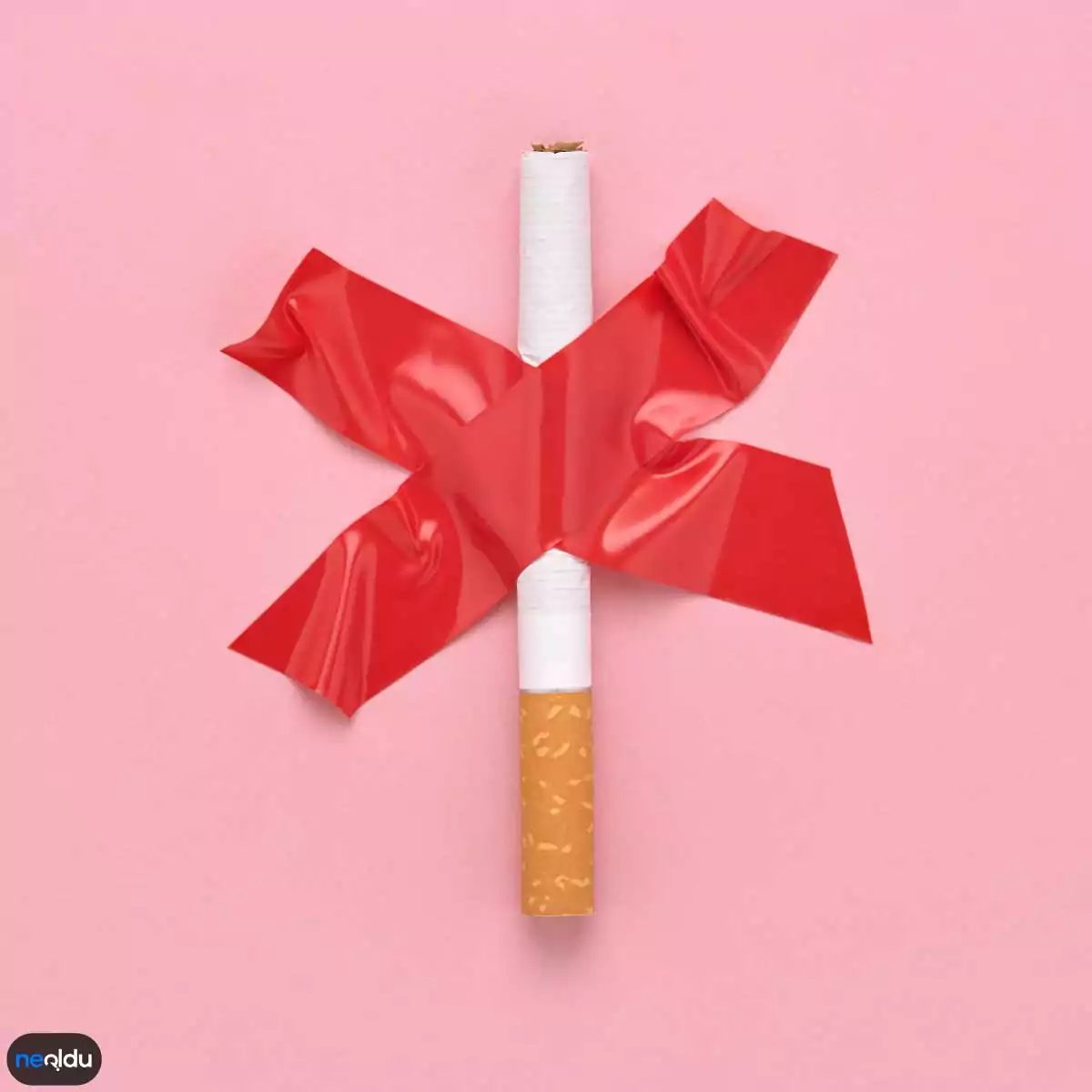
One of the biggest triggers behind male pattern hair loss is smoking.
Most men don’t notice this. It suggests genetic predisposition. Experts also say that heredity plays a major role. But the truth is more complex. Smoking accelerates hair loss. It disrupts blood circulation. It reduces the oxygen going to the follicles.
If you want healthy and strong hair, you must quit smoking.
Well, if you’re looking for a reason to quit, look. Hair loss is one of the main reasons.
Stay Away from Hair Stylers
The gels, sprays and creams you use in your daily routine can harm hair health.
These products often contain alcohol or chemical ingredients. It dries the hair strands. It may irritate the skin. If it is not cleaned after use, it will clog the pores and increase the risk of flaking.
Research alternatives. Products containing natural ingredients may be a better option. Or better yet: reduce usage.
When styling your hair, choose softer products. This small change can help preserve your hair quality in the long run.

The scalp is much thinner and sensitive compared to other parts of the body. That’s why it’s essential to stop and think before taking any action. Hair gel, sprays like glue, stylers and blow dryers… They all seem great for improving the appearance. But if they are used incorrectly, they open the door to the problem of male pattern hair loss.
Choose the Right Shampoo
There are thousands of shampoos on the market. Which one should you buy? The answer is simple: by hair type.
If you have oily hair, look for a deep cleansing formula that contains acid. For dry hair, silicone-free or low-silicon options with a high moisturizing effect are better. For normal hair, slightly unbalanced shampoos that maintain balance are sufficient.
But be careful. Most products labeled “shampoo against hair loss” do not show a proven effect. These types of products are mostly marketing tactics. Ingredients that actually strengthen hair follicles (such as cocaine, biotin, minoxidil) are often found in special treatments or dermatological products. The main function of daily shampoo is to keep the scalp clean. Dirt, sebum and product accumulation clog pores and trigger flaking. A clean scalp is essential for healthy hair growth.
So, instead of buying an expensive “anti-hair loss” shampoo, it makes more sense to choose a cleanser that suits your hair’s needs and does not contain harsh chemicals.
- Oily hair: Daily cleansing, oil control.
- Dry hair: Moisture balance, bubble-free formulas.
- Sensitive scalp: Paraben free, alcohol-free options.
Remember, shampoo should not remain at the roots of your hair. Rinsing well prevents pore clogging.

If you feel like the old shampoo is no longer working, the situation should be taken seriously. However, do not immediately try the product at the far end of the shelf. First, an expert opinion is required. Looking for a solution without fully clarifying the real source of hair loss, that is, its medical cause, is like leaving the needle half-done. The healthiest step is to ask a dermatologist or hair care specialist for the right shampoo recommendation suitable for the structure of your hair and the cause of loss.
Remember, the product you wash your hair with is the cornerstone of your care routine. A wrong choice can deepen the problem even at the beginning.
Keratin Deficiency and Hair Health
The building blocks of our hair consist of proteins. In particular, keratin is the main component that provides the durability and flexibility of hair strands. Everyone knows that keratin is one of the most important proteins that make up hair. However, disruption of this balance, that is, keratin deficiency, can unfortunately lead to hair loss.
Why is your hair falling out? The answer to the question may sometimes be hidden in internal diseases, sometimes in hormones, and sometimes in external factors. Having low keratin levels is also included in this list. For this reason, instead of products labeled only “against hair loss”, it is necessary to choose products with nutritious content that are specially formulated for your hair follicles and awns.
5. Nourish the Scalp
Another issue that is as important as the hair itself is the ground to which it adheres: the scalp. A dry, unnourished scalp prevents healthy hair production. One of the underlying reasons for your hair loss may be the imbalance here.
Nourishing the scalp does not just mean moisturizing. We’re talking about choosing products that nourish the scalp here, rather than deliberately using blanket phrases like “oil” or “soak”. These products usually contain special formulas to repair the natural barrier of the scalp, maintain microbiome balance and support blood circulation.
While many women apply intensely moisturizing masks to their hair roots, they completely ignore the scalp. However, the scalp is also a pair and needs moisture and nutrients just like the facial skin. A dry and tense scalp can cause hair to break off from the root.
“The right shampoo and scalp care is the first and most critical step to radically solve the hair loss problem.”
At this point, hair
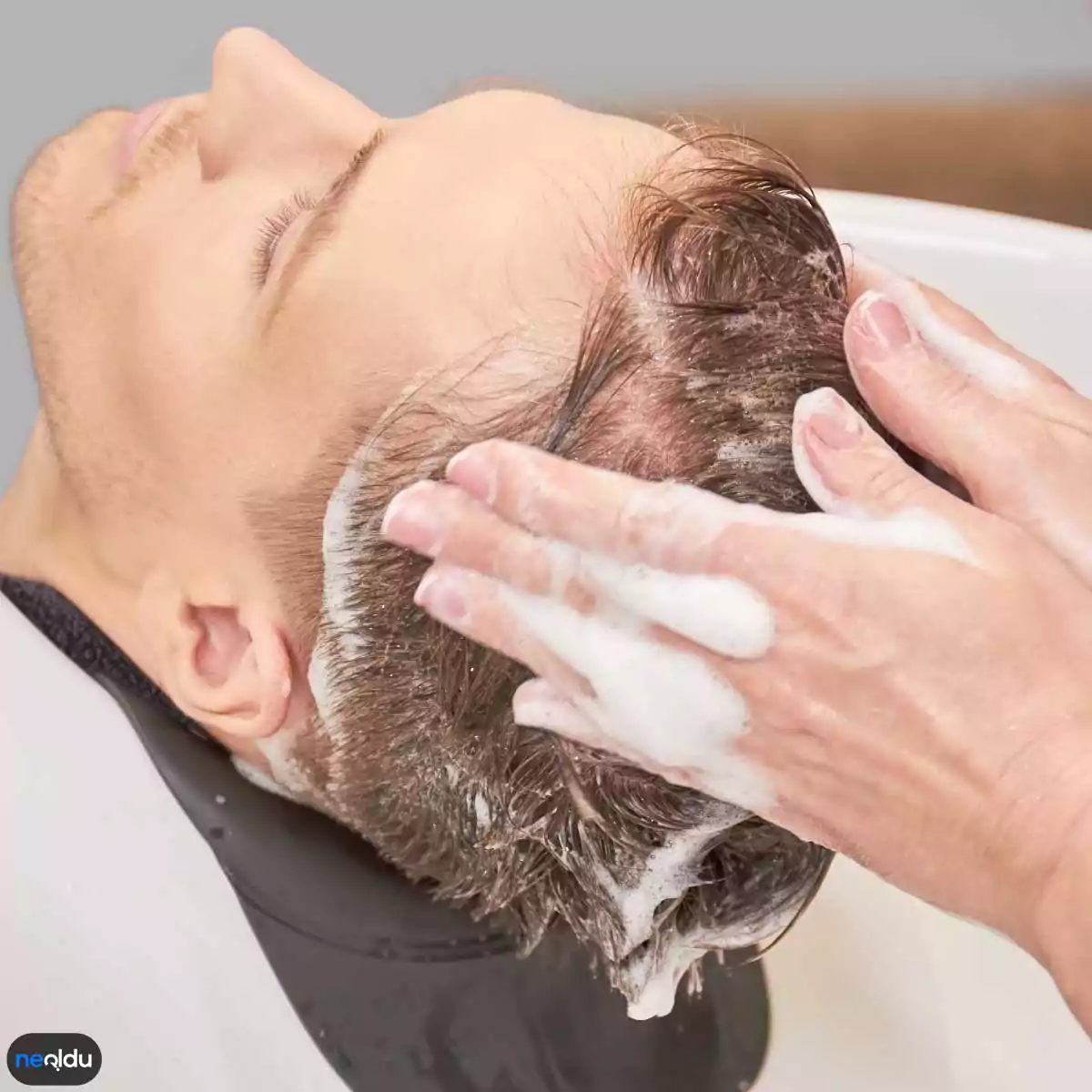
One of the most common pitfalls in the hair care routine is that the product gets trapped only in the strands. If you invest in masks, cures, serums and expect only the ends to look neat, you are making a big mistake. The real problem lies in neglecting the scalp. No matter how expensive the product is, the area it affects should be chosen correctly.
Skipping a massage means wasting your money. It is unrealistic to expect growth without accelerating blood circulation and digesting nutrients into the skin. Here are the details you need to be careful about.
6. Keep Your Hair Clean
A cleaner hair provides better absorption. Dirt, sebum and product debris create a barrier that prevents the passage of active ingredients to the scalp. Cleansing your hair properly before applying your masks maximizes engagement.
- Deep Cleaning: Make sure that there is no dry hair left in each wash. The residue prevents the mask from adhering and distributing properly.
- Suitable Temperature: Very hot water can irritate the scalp. Warm water helps open and clean pores.
- Pre-Shave Preparation: Gently comb the curls before the mask. This is essential for equal distribution.
7. Investigate the Cause of Hair Loss
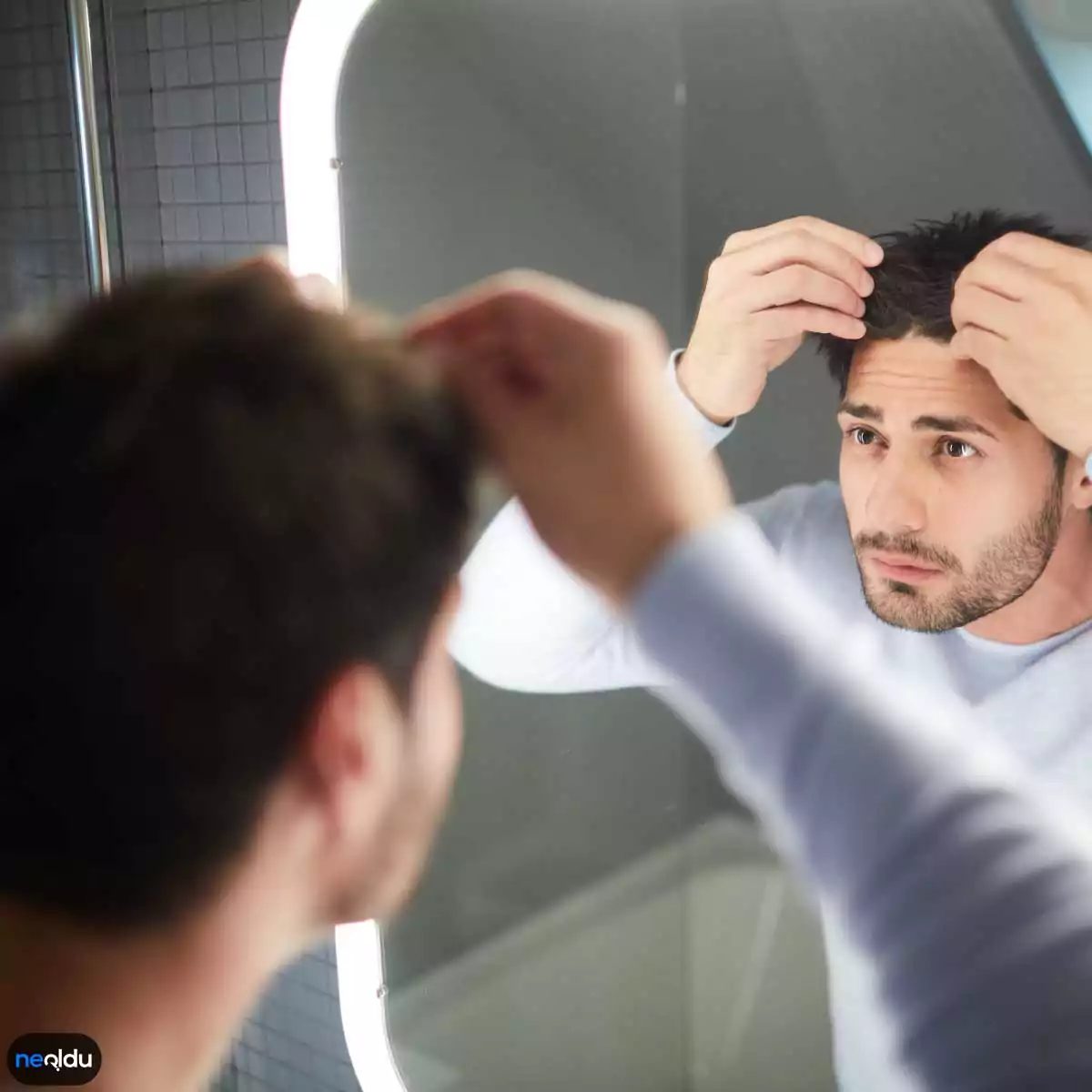
If you’re losing hair, your first stop should be to look in the mirror and figure out what’s going wrong.
Experts are clear: dirty hair is more prone to shedding.
Yes, it’s easier for men. Short or thick hair sometimes speeds up cleaning like dishwashing detergent. But this is not an excuse, it is a responsibility. Keep it as clean as possible.
Stop blaming hereditary factors.
Genetics is not always the primary cause. There is often negligence. When men do not take the necessary care of their hair, hair loss begins. This isn’t punishment, it’s biology.
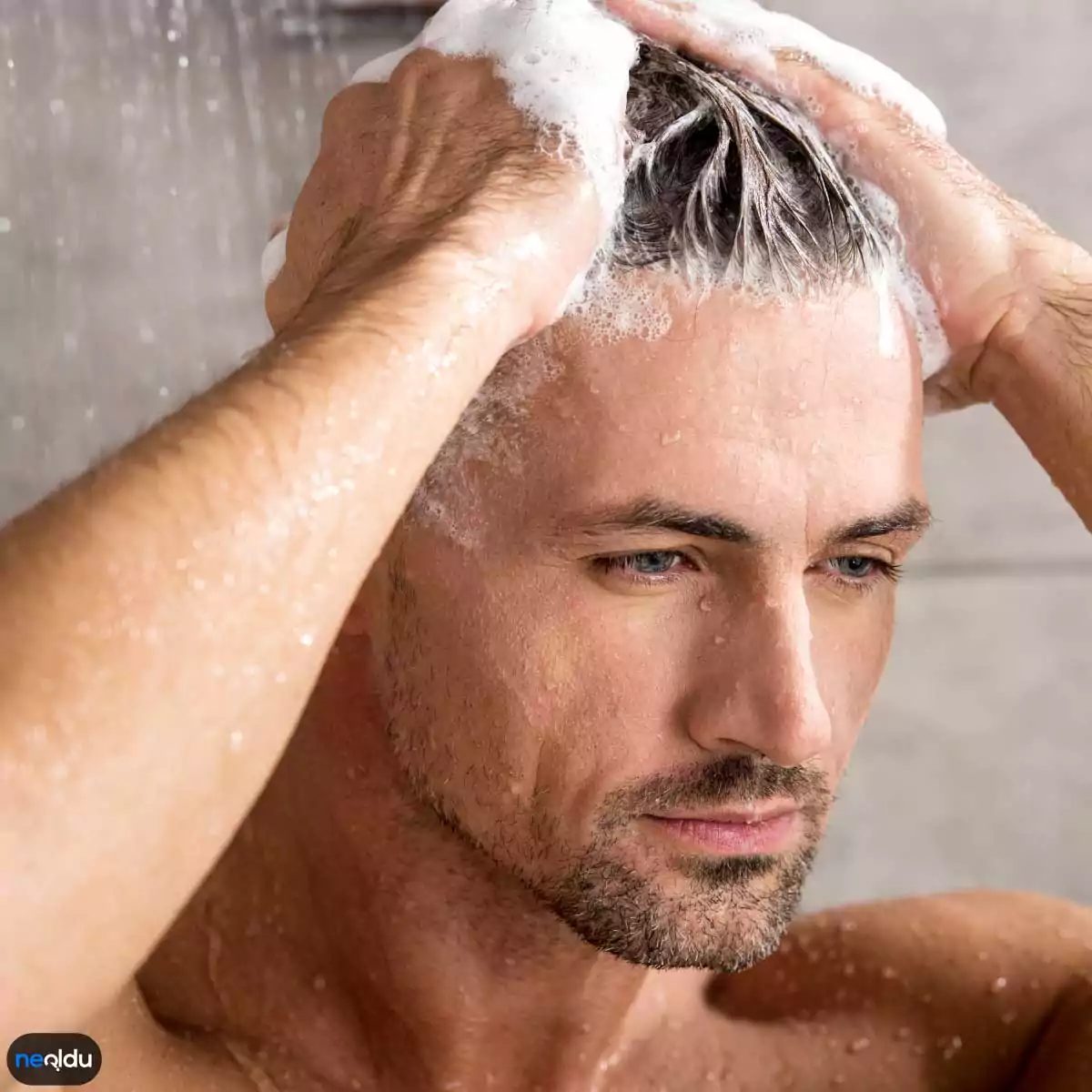
You may find it difficult to wash it once a day.
I understand. It’s hard to wake up in the morning. But it is recommended to wash your hair once a day. Already. Dirty hair suffocates your roots. Shedding accelerates.
This rule, which applies to women, also applies to men.
Leaving wet hair is a mistake.
Damp hair breaks. Dandruff occurs. And it spills. Dry quickly after bathing. Instead of rubbing with a towel, pat dry gently. Do not leave it wet.
Why Male Hair Loss Isn’t Just Genetic
Most men attribute their hair loss solely to DNA.
Wrong.
This is a shield used to avoid responsibility. Do you really have a genetic disorder? Or do you not have a hair care routine?
Hair care experts warn: neglect is a big cause of hair loss.
Sebum buildup on your scalp clogs the follicles. If the follicle becomes blocked, the hair follicle becomes weak. Weak root means weak hair. Conclusion? Spill.
It is possible to reverse this process.
Small changes make a big difference.
- Daily washing: Dirty hair increases the risk of shedding.
- Avoid wet hair: It is the gateway to breakage and dandruff.
- Gentle drying: Rubbing the towel hard will break the hair strands.
The causes of male pattern hair loss are not only hereditary. Lack of maintenance is also a reason.
Your hair is a mirror. It shows how well you care.
Even though it may be difficult to wash it once a day, keep your hair clean. Do not leave it wet. Investigate the cause of the spill. Maybe the answer lies not behind the shampoo bottle, but in your bathroom.
One question: Which shampoo do you use? Just for the smell? Otherwise it’s hair
8. Try Vitamin Supplements
Intervening before understanding the cause of hair loss usually does not work. Although male pattern hair loss carries a genetic predisposition, this factor alone is not always the root of the problem. Many times other underlying triggers accelerate the process. Therefore, it is best to conduct a cause-effect analysis before getting to the root.
In this context, taking vitamin supplements for hair loss may be a logical step, especially if the suspicion of deficiency is high. But this doesn’t mean swallowing a magic pill. Deficient vitamins weaken the nutrition of hair follicles. If your D3, B12, iron or zinc levels are low, these deficiencies may show up as visible loss.
To determine what type of supplementation is needed, it is necessary to first have a blood test. Randomly taken multivitamins may not meet your expectations.
- Confirm your deficiencies with laboratory results.
- Determine the dosage under doctor’s supervision.
- Supplement nutritional supplements with your diet.
As a result, achieving the right result in hair care starts with the correct diagnosis. Vitamin supplementation is a supportive tool in this journey. The key is to clarify the real reason behind the shedding.

9. Avoid chemical hair products
Vitamins are not only good for health, but also for hair. If your hair doesn’t get the vitamins it needs from food, it will fall out, get damaged and break. To prevent this, try different vitamin supplements. Depending on your individual needs, you can also use foods rich in vitamins E and C to protect the health of your hair. If your hair lacks nutrients, the problem gets worse and can even lead to baldness.
9. Avoid chemical hair products
Avoiding chemical bombs is the first step in preventing a spill. Those tunnel products whose ingredients you haven’t read weaken your hair so much over time that it can’t resist breaking. While natural oils nourish the hair follicle, they also stimulate the circulation in the capillaries.
For Which Types of Hair Loss Are Natural Hair Care Oils Effective?
Which oil you choose depends on your hair’s current needs. Relying on a random jar just to “go natural” can be misleading in the fight against hair loss. Here are the oils that are scientifically supported and provide the best results:
- Olive oil: A source of vitamin E. It repairs the hair cuticle and prevents breakage.
- Castor oil: The classic option for those who want to increase the density of the hair.
- Jojoba oil: It is closest to the natural oil structure of the scalp. It does not open clogged pores.
- Coco oil: Prevents protein loss, especially ideal for dry and damaged hair.
- Rosemary oil: Accelerates blood circulation. It can promote new capillary formation.
- Chamomile oil: Soothes the scalp while protecting hair color.
- Lavender oil: It has both an antimicrobial effect and increases circulation in capillaries.
Which Oil Should You Use Where?
The way each oil is used varies depending on its absorption rate. Olive oil and Castor oil have a more dense structure. When performing hair care with these oils, they should be applied by massaging, especially on dry ends and scalp. Jojoba oil is lighter; It may remain on the scalp.
Coconut oil can solidify in hot environments. Therefore, melting it in the palm of your hand and applying it to the roots of your hair before application makes the process easier. Rosemary oil should not be applied directly. It should be mixed into a carrier oil (such as olive oil). Otherwise, it may cause irritation on the scalp.
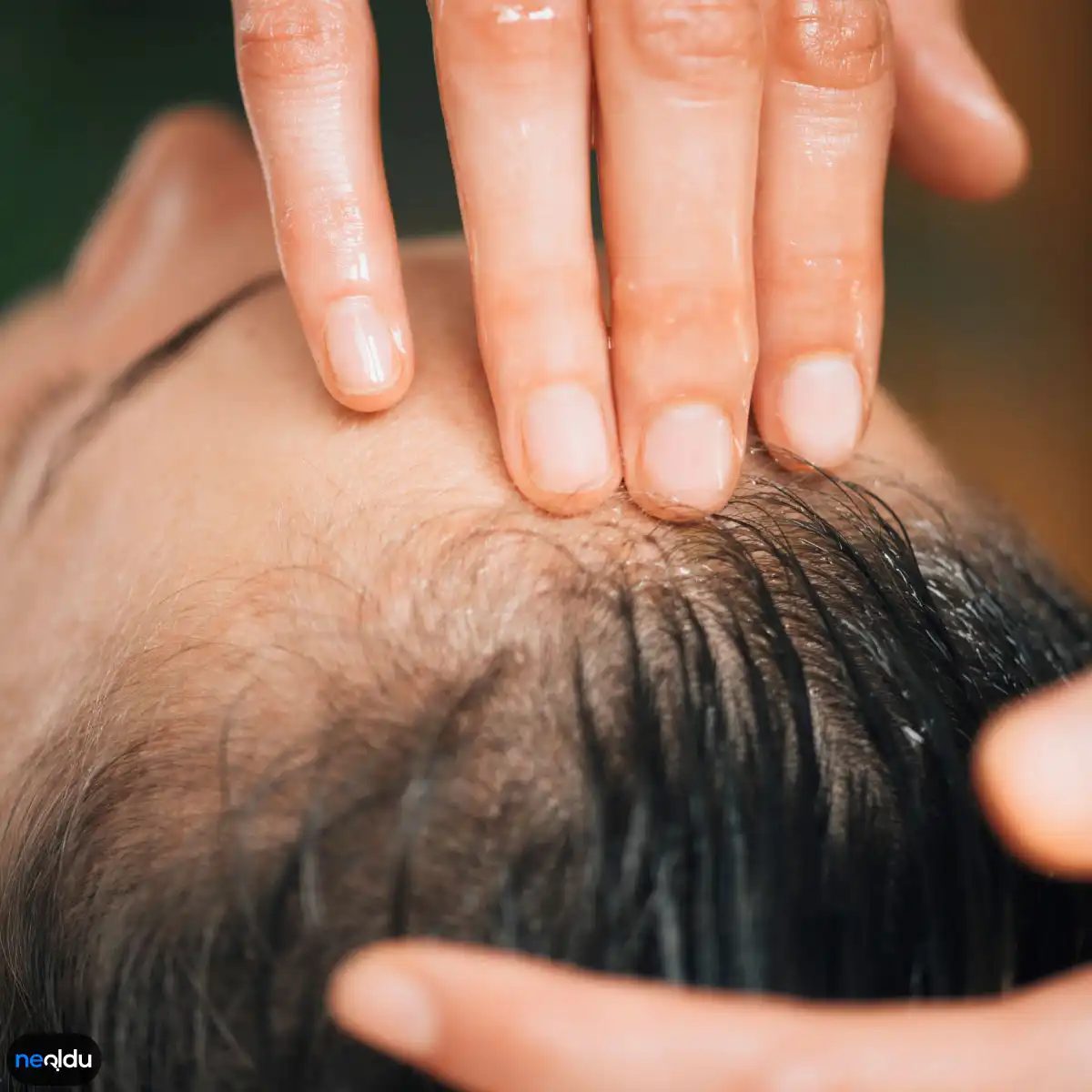
Massage with hair care oils is not only for the absorption of the oil; It is also important for its stress-reducing effect. Making circular movements on your scalp with your fingertips for just 5 minutes a day stimulates the capillaries. This simple action allows nutrients to reach the hair follicles through the capillaries.
As a result, the most expensive shampoos can fall short when not supported by the right oils. While looking for a solution for hair loss, natural oils
Natural oils are undoubtedly one of the most effective tools that play a saving role in hair health. Varieties such as argan, castor, jojoba, poppy, almond and coconut have been used for a long time to reduce hair loss and support faster hair growth.
These oils are not only against shedding; It is also effective in preventing dandruff formation, adding shine to the hair and providing a fuller appearance. So why isn’t a simple routine with so much promise more common?
Its application is extremely simple. All you have to do is rub a small amount of oil in your palm and massage it into your hair. This process increases circulation in the scalp, allowing nutrients to be better absorbed.
It is recommended to leave the oil on your hair for about an hour. This time is an ideal interval for the oil to penetrate the pores. When you wash it afterwards with your normal shampoo, the process begins, even if the effect of the oil is not visible immediately.
When you follow this routine twice a week, the results begin to show slowly but permanently. This process is a matter of patience. Everyone’s hair reacts differently, so it’s best to adjust the proportions according to your own hair type.